
Research & Development
Explore a Sustainable Future
At MODEC, our research & development (R&D) is where ocean meets innovation. We deepen the relationship between the ocean and humanity and pioneer a sustainable future with unwavering curiosity, practical ingenuity, and a frontier spirit.
FPSO Decarbonization
New Floating Solutions
New Mooring Solutions
Lifecycle Value Enhancement
FPSO Decarbonization SOFC
A Solid Oxide Fuel Cell (SOFC) converts chemical energy into electricity using a solid ceramic electrolyte at high temperatures. The high-temperature tolerance provides fuel flexibility, whereby the SOFC can use hydrogen, natural gas, methanol, or ammonia. The fuel flexibility allows the SOFC to utilize associated gas streams common on FPSOs.
MODEC, in collaboration with ELD Energy, is developing a SOFC power generation system ― a next-generation alternative to gas turbine generators (GTG) on an FPSO.
The high-efficiency SOFC power generation system is designed to deliver more than 60% electrical efficiency under offshore operating conditions and integrates a compact, low-energy carbon capture (CC) system. SOFC and CC provide a practical pathway to deep decarbonization without compromising up time.
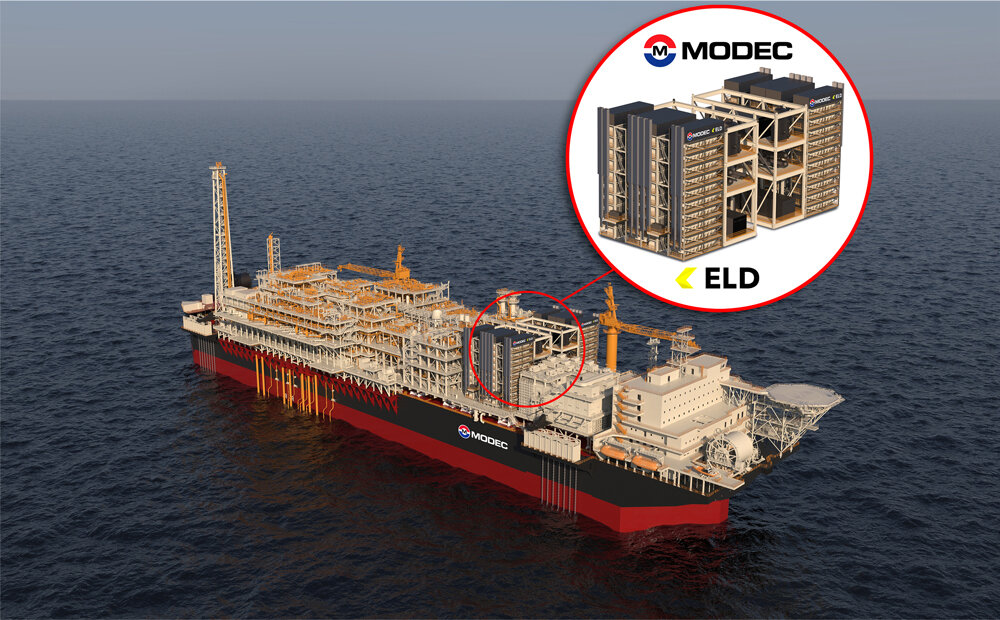
Eld Energy Awarded Approval in Principle by DNV for Offshore SOFC Power Generation Unit
MODEC and Eld Energy advance SOFC Power for FPSOs with ABS New Technology Qualification Milestone
FPSO Decarbonization Carbon Capture
MODEC implements and operates pre-combustion carbon capture on FPSO vessels, recovering carbon dioxide (CO2 ) from rich produced gas and reinjecting it into the reservoir with surplus gas.
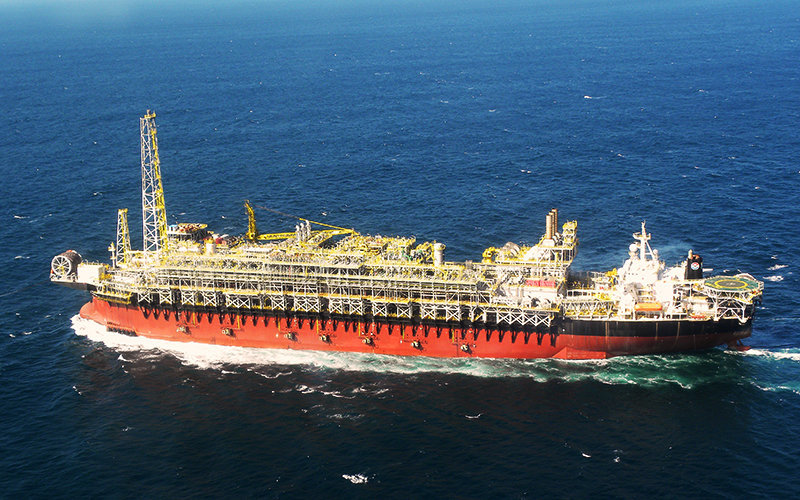
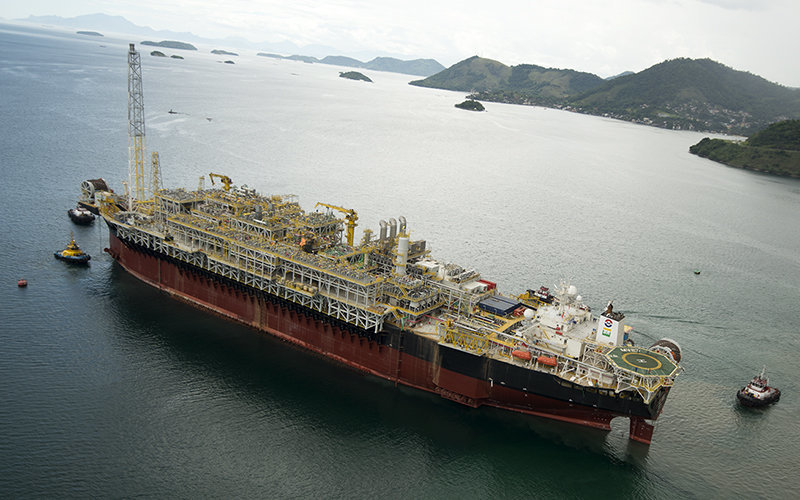
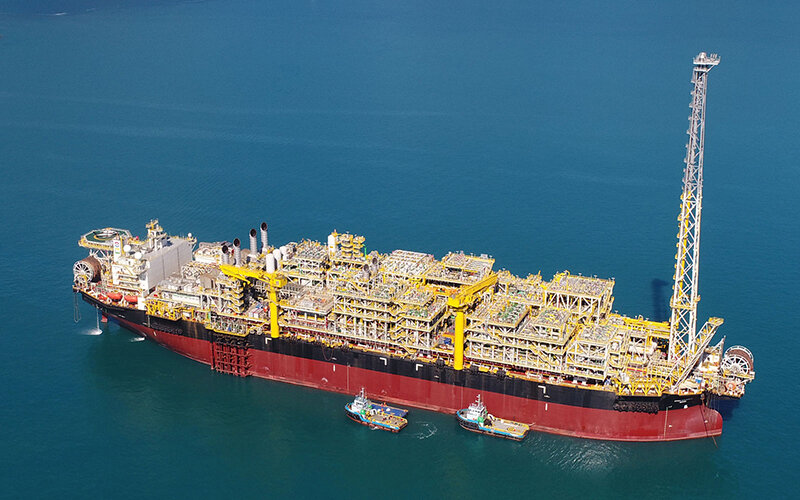
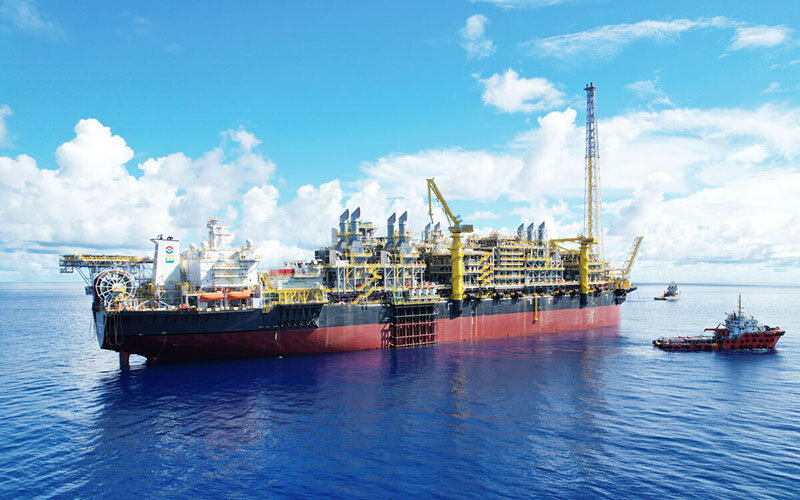
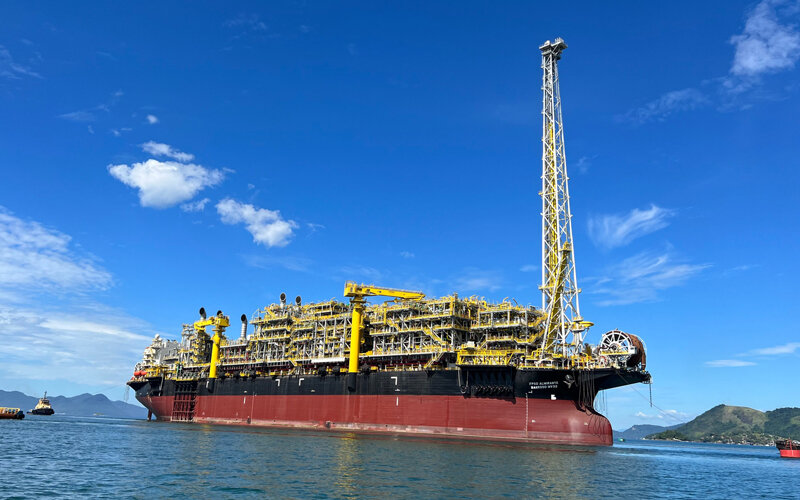
Building on our expertise, we conduct research & development (R&D) to integrate post combustion carbon capture on FPSO vessels. This post-combustion process targets exhaust from the gas turbine generator (GTG) and other power generation systems that account for the majority of the FPSO greenhouse gas emissions. MODEC evaluates and develops multiple post combustion technologies and fit-for-purpose post-combustion carbon capture and storage solutions for FPSO vessels with unique constraints to ensure reliable, sustainable, and cost-effective deployment offshore.
Footprint Reduction Technologies
Offshore facilities face spatial constraints compared to onshore power plants. We develop solutions to minimize the size of carbon capture systems and maintain efficiency.
Energy-saving PCC Operations
FPSO vessels require significant thermal energy for crude oil separation. Energy-efficient CO2 separation methods are being developed to enhance overall operational efficiency.
New Floating Solutions FNPP
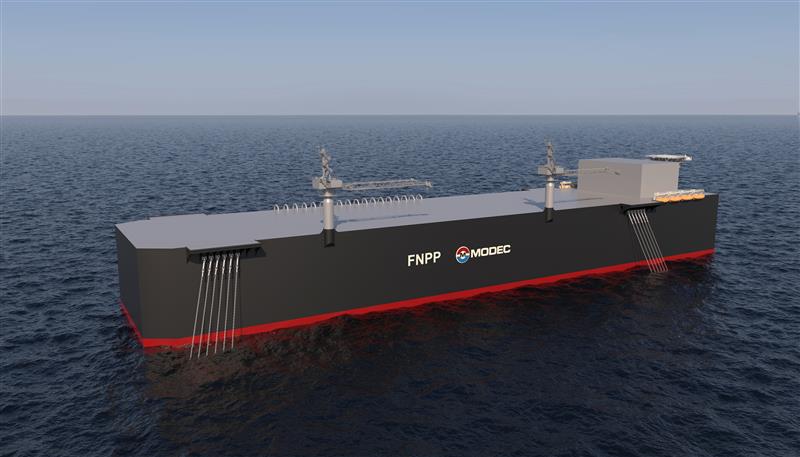
Global demand for electricity is expected to increase by threefold by 2050 and offshore floating nuclear power plants (FNPP) play a vital role in meeting this demand. FNPPs minimize greenhouse gas emissions and provide reliable baseload, complementing renewables and helping stabilize grids in coastal and island regions. Standardized modules and proven offshore execution offer a practical, scalable pathway to clean energy addition.
New Floating Solutions LCO2 FSIU
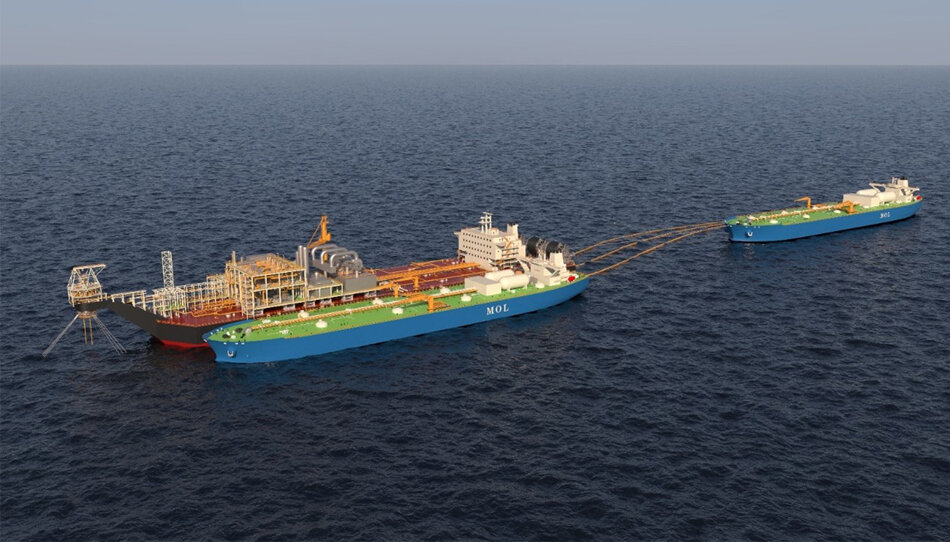
Liquid carbon dioxide (LCO2) Floating Storage and Injection Unit (FSIU) would receive LCO2 transported in low pressure conditions. The LCO2 stored and injected into subsea wells at high pressure for permanent sequestration, eliminating the need for an onshore LCO2 receiving plant and pipelines to injection wells.
The FSIU serves as an offshore storage and injection hub, enabling the sequestration of CO2 into qualified reservoirs and offering large-scale, flexible, reliable offshore CO2 storage.
New Floating Solutions FOWT
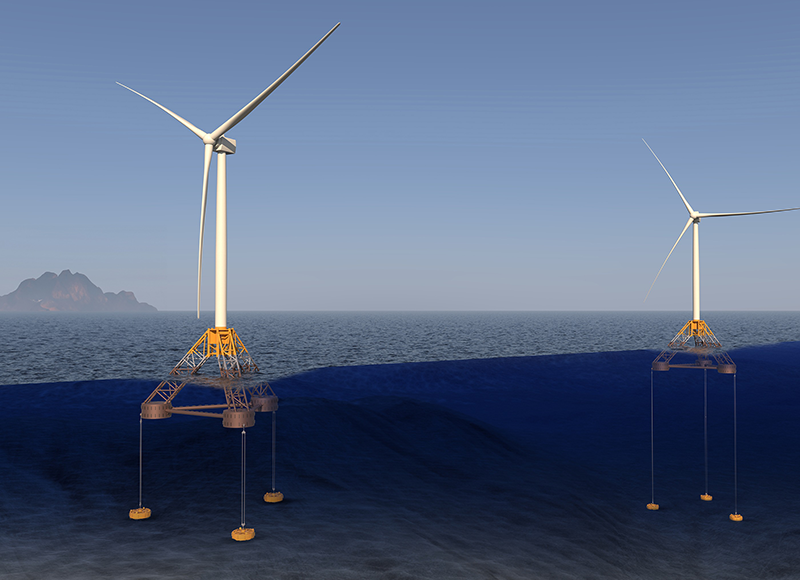
Floating Offshore Wind Turbines (FOWT) are a viable addition to the global energy mix. MODEC, a leading provider of TLP platforms, is contributing to the growth of FOWT, applying its proven technology and track record to floating wind.
Our iTLPTM concept is under active development as a solution to minimize LCOE while maximizing energy production at the site, combining low motion, efficient installation, and robust lifecycle performance, including in-situ maintainability.
MODEC is also advancing solutions for bottom fixed offshore wind in water depths previously considered impossible for conventional foundations, opening new resource areas for competitive offshore wind.
MODEC Secures AiP for i-TLP™2, an Innovative Offshore Wind Turbine design from ABS
New Floating Solutions Ammonia FPSO
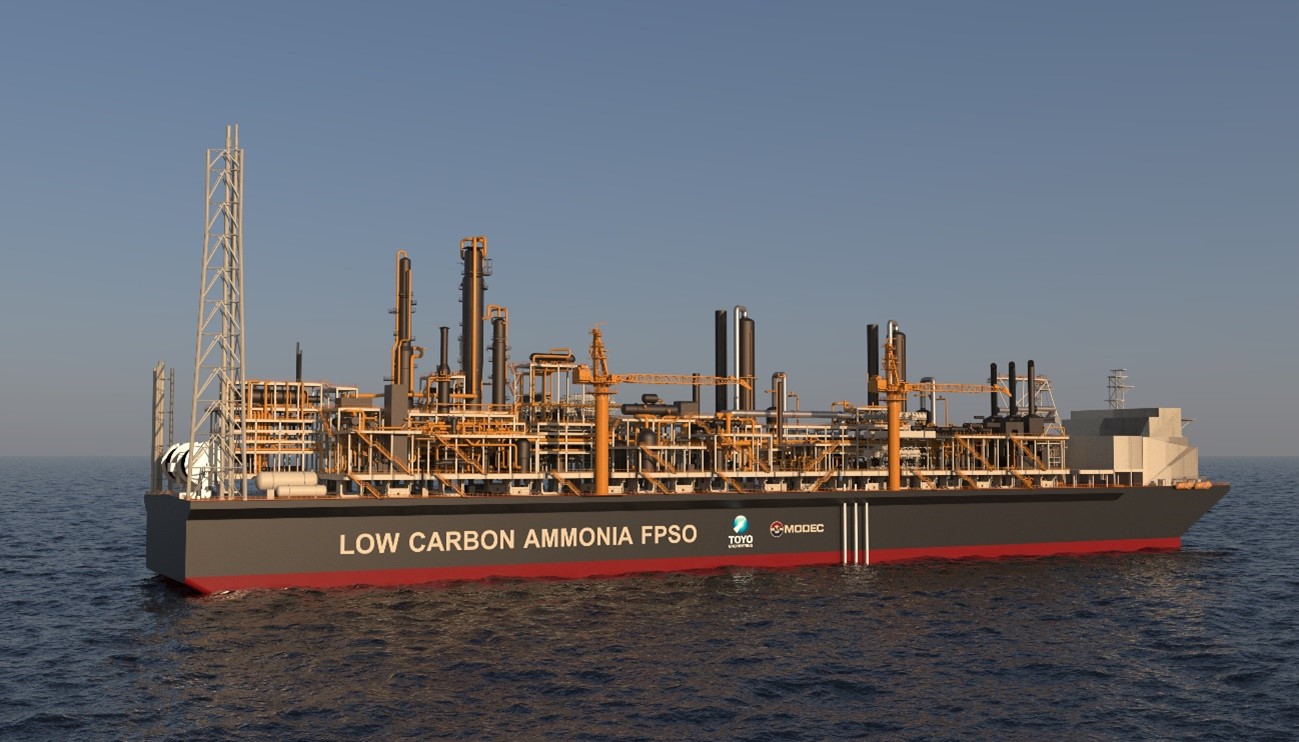
In the energy transition, low carbon fuels such as ammonia are expected to play a role in decarbonizing power and industry. MODEC is developing product concepts such as a Low Carbon Ammonia FPSO to meet emerging demand. This floating solution converts associated gas—often reinjected today—into low carbon ammonia offshore.
Obtained an Approval in Principle (AiP) by ABS for Blue Ammonia FPSO
New Floating Solutions Offshore Methane Hydrate
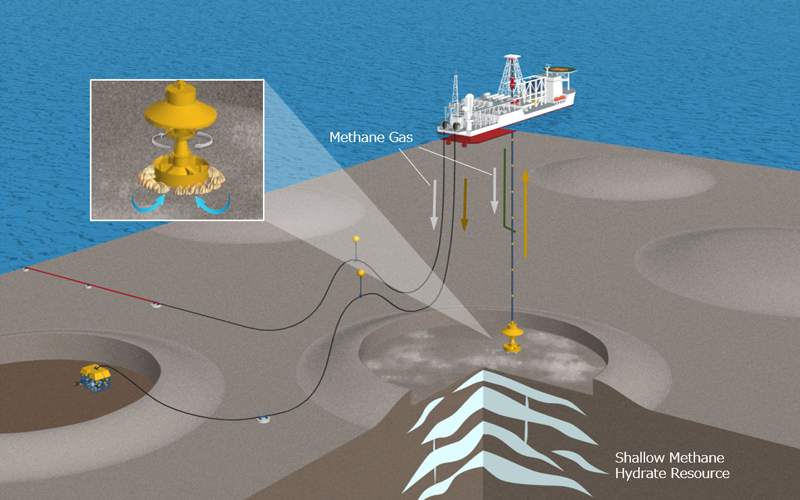
MODEC is accelerating methane hydrate development by advancing research and development toward commercial recovery of shallow resources.
New Mooring Solutions Jetty-Less Offshore Terminal for New Energies
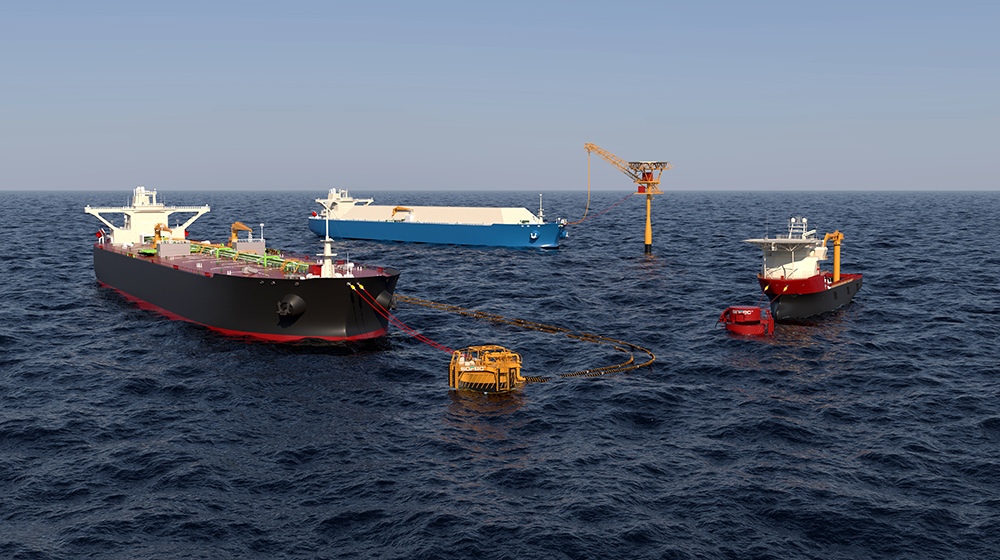
As demand for alternative energy rises, the need for offshore charging solutions and the development of offshore CO2 injection sites is driving new infrastructure requirements for safe offshore transfer and handling.
Operators need safer, quick-deploy solutions that reduce cost, shoreline exposure, and project execution risk. To meet this demand, MODEC is adapting the proven SOFEC® CALM buoy and Loading Tower technology to enable jetty-less offshore transfer of alternative fuels, power, and CO2. Our R&D program focuses on concept development, technical qualification of critical components for the new application, and system safety assessment. An AiP for the jetty-less ammonia terminal confirms technical readiness.
New Mooring Solutions Submerged Yoke System Development
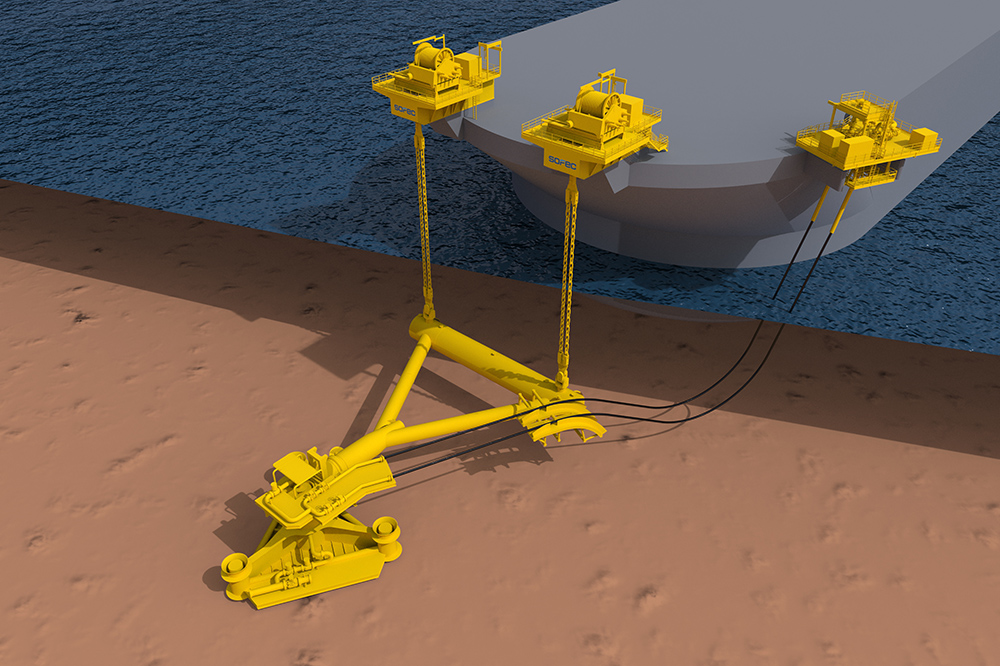
MODEC is scaling to meet surging demand for shallow water mooring as FSRU and FLNG projects accelerate. With a long track record in tower yoke systems, including the industry’s first and only disconnectable tower yoke, we are tailoring SOFEC® Submerged Yoke Mooring System (SYMS) product line to meet specific market needs. Our R&D and product development program addresses concept development, marinization of underwater components, detailed engineering of critical assemblies, and system optimization. The submerged yoke system is offered in both permanent and disconnectable configurations to fit project requirements.
Lifecycle Value Enhancement Digital Initiatives
"Technology only creates value when it delivers real-world impact—and we know exactly what to build and where it matters most"
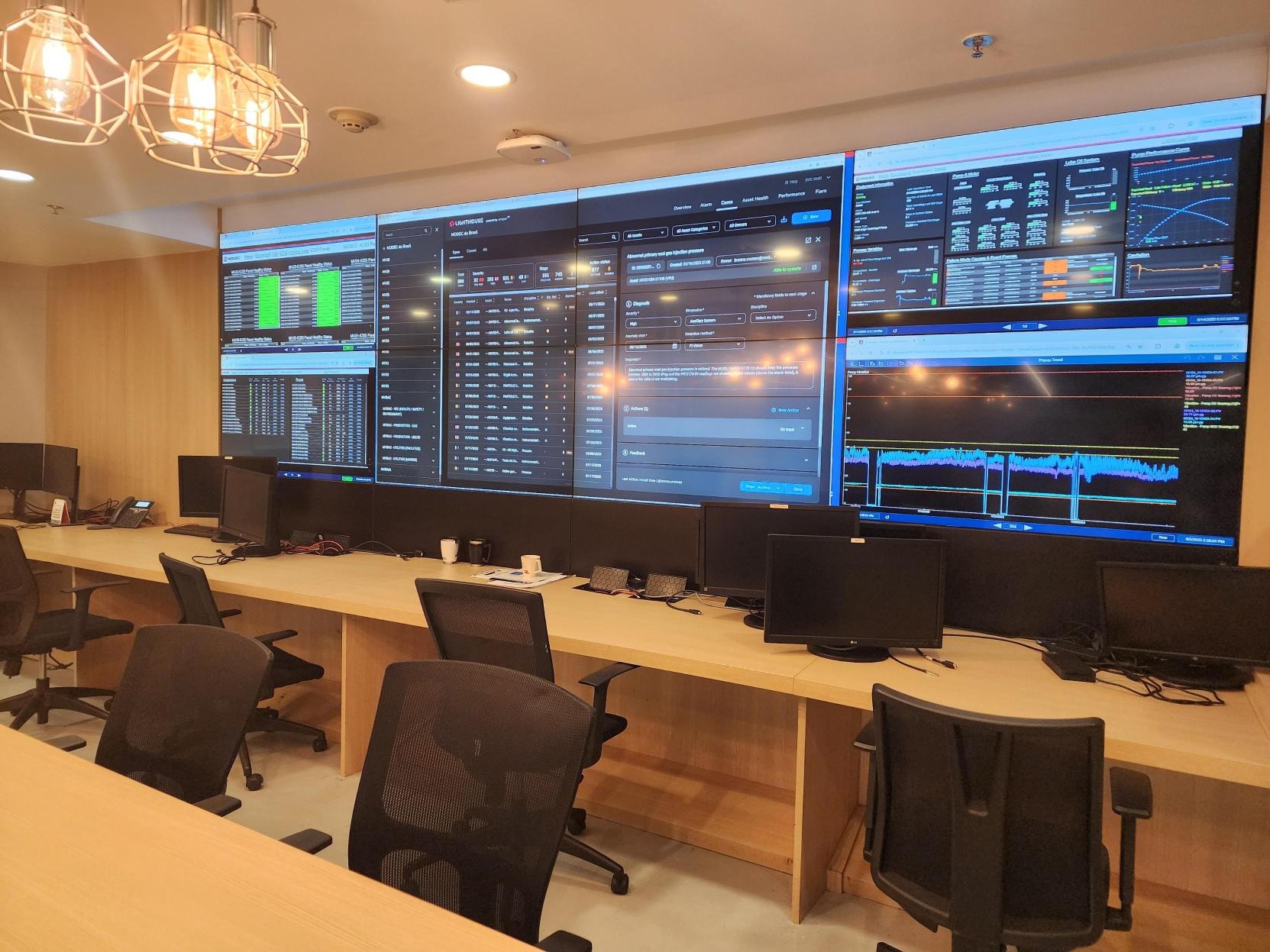
MODEC is advancing its digital strategy through Shape, a spinoff that brings industry-wide solutions to market, including predictive maintenance, AI-powered digital twins for GHG emission reduction, and digital barrier management. In parallel, MODEC is investing in our Digital & Analytics capability to strengthen internal execution—leveraging state-of-the-art AI solutions that combine the latest generative AI and conventional deep learning, as well as enterprise data platforms—to turn data into actionable insights, optimize workflows, and enhance safety, reliability, and cost performance.
Together, Shape's cross-industry solutions and MODEC's FPSO industry–specific Digital & Analytics capabilities deliver tangible client value: increasing FPSO production, promoting safer, greener, and more efficient operations, and accelerating and streamlining EPCI and O&M processes. Through continuous R&D with Shape, we are building and deploying digital products that address real challenges in the FPSO industry and beyond.
Brazilian technology uses artificial intelligence to improve oil platform safety
Lifecycle Value Enhancement Robotics-assisted Operation
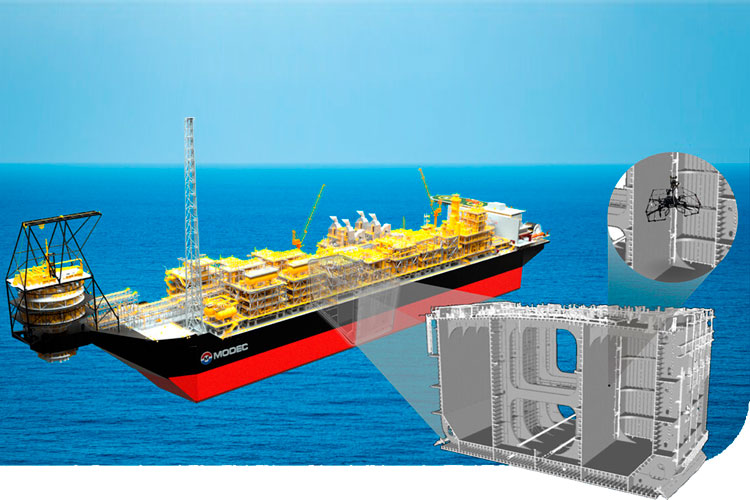
MODEC is focused on R&D to replace hazardous tasks with robots to pursue safer and more humane operations. Robotics address offshore personnel onboard constraints, enabling more efficient, reliable execution with fewer people on site.
Drone based tank inspection is routinely used to free operators from confined spaces and work at height risks while achieving competitive costs.
MODEC and Terra Drone Renew Joint R&D Agreement for FPSO Crude Oil Storage Tanks Inspections
World's First Approval from Classification Society for a Drone-based FPSO Hull Thickness Measurement
Lifecycle Value Enhancement CFRP Repair
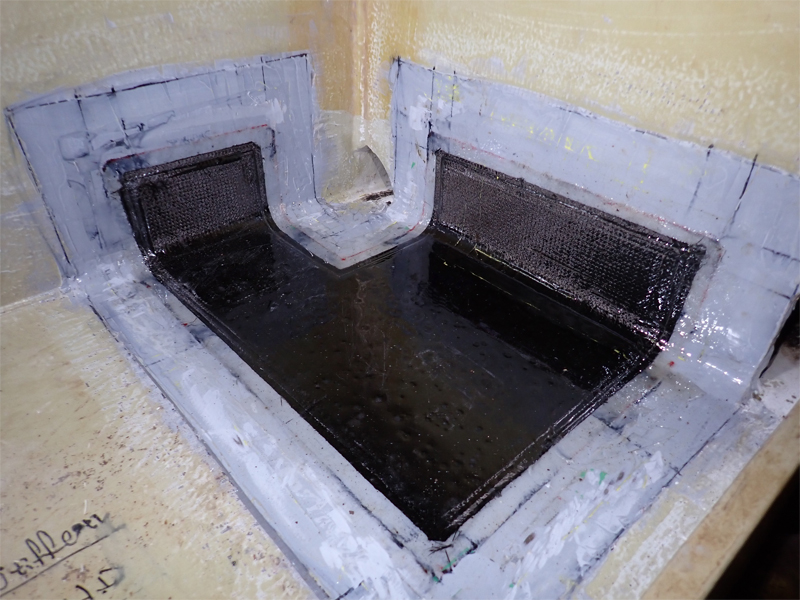
Suspending production and moving an operating FPSO to a shipyard for repairs results in significant project losses. Even when conducting repairs offshore, any hot work necessitates a shutdown of crude oil production, and there are weight constraints on boarding materials and repair personnel.
With such circumstances requiring the development of a new offshore hull-repair method, MODEC is continuously developing steel repair methods using CFRP (Carbon Fiber Reinforced Plastic) to address hull corrosion offshore without hot work, enabling repairs to be completed by small teams in short timeframes.
The primary purpose of this repair method is to minimize the impact of repair work on production but, because limitation of work site and penalties for suspending production can also be avoided, major benefits can be expected for the project as a whole.